
New World screwworm has returned to Texas, creating an animal-health concern for livestock. The parasite can cause severe tissue damage and death if an infestation is not identified and treated quickly. State and federal agencies are responding with surveillance, animal-movement restrictions and releases of sterile flies intended to stop the pest from becoming permanently established.
Where and When Was It Detected?
On June 3, 2026, the U.S. Department of Agriculture confirmed New World screwworm in a three-week-old calf in Zavala County, Texas. Larvae were collected from a lesion around the calf’s umbilical area and confirmed by the National Veterinary Services Laboratories in Ames, Iowa. The calf subsequently recovered, and the case is now considered inactive. It was Texas’ first confirmed detection during the current northward spread of the parasite. USDA, Texas Parks and Wildlife Department
Additional cases were later identified in Texas. As of August 2026, the Texas Animal Health Commission reported confirmed cases across 16 counties and 36 premises. Movement restrictions applied to designated areas within 23 counties, although inclusion in an infested zone does not necessarily mean that a county has a confirmed case. Because conditions can change quickly, animal owners should consult the commission’s current interactive map before moving livestock, pets or other warm-blooded animals from affected areas. Texas Animal Health Commission
The Texas detection followed a broader regional resurgence. The World Organization for Animal Health reports that the outbreak was first officially reported by Panama in June 2023 before spreading through Central America. Mexico confirmed the parasite in a cow at an inspection checkpoint in Chiapas in November 2024, followed by continued movement northward. World Organization for Animal Health
Why New World Screwworm Is Dangerous
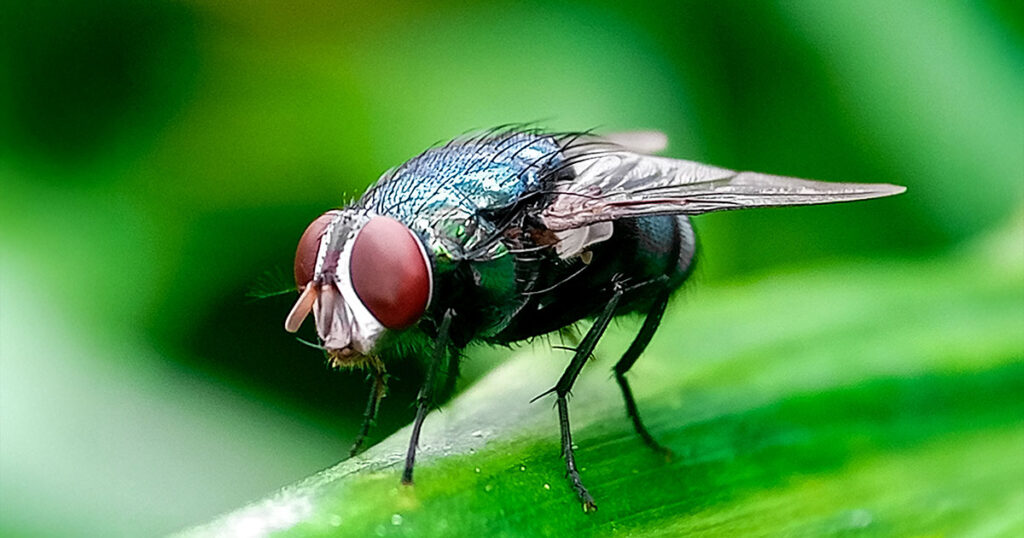
New World screwworm is the larval stage of the parasitic fly Cochliomyia hominivorax. Unlike most fly larvae, which feed on dead or decaying material, screwworm larvae consume the living tissue of warm-blooded animals.
Adult females lay eggs along open wounds or near body openings such as the eyes, nose, mouth and reproductive organs. The eggs may hatch within approximately 24 hours. The larvae then burrow deeper into the tissue using sharp mouth hooks, causing wounds to expand rapidly. Without treatment, an affected animal can die from tissue damage, infection or related complications.
Cattle, horses, sheep, goats, pets, birds and wildlife may all be affected. Texas wildlife species of particular concern include white-tailed deer, jackrabbits, cottontails, small mammals and wild turkeys. Human infestations are possible but uncommon. As of August 11, 2026, the Centers for Disease Control and Prevention had received no reports of locally acquired human cases in the United States and described the current public-health risk as very low. TPWD, CDC
What Animal Owners Should Be Aware Of
Warning signs include visible maggots, enlarging wounds, bloody or unusual drainage, a foul odor, reduced appetite, fever, head shaking and irritated or restless behavior. Newborn animals, breeding stock and animals with cuts, tick bites, surgical sites or management-related wounds require particularly close observation.
The Texas Farm Bureau recommends inspecting animals daily, treating open wounds promptly and examining clothing, vehicles and equipment when leaving affected properties. Procedures that create wounds, such as branding, dehorning, castration and ear notching, may need to be postponed in infested areas.
Containing the Outbreak
The primary eradication tool is the sterile insect technique. Sterilized male screwworm flies are released to mate with wild females, which generally mate only once. The resulting eggs do not hatch, gradually reducing the population. USDA and Texas agencies are combining sterile-fly releases with trapping, inspections, quarantines, wildlife surveillance and animal-movement controls. This same strategy helped eradicate the pest from the United States in 1966. USDA APHIS
Anyone who suspects an infestation should isolate the animal, avoid moving it and contact a veterinarian and the Texas Animal Health Commission immediately at 1-800-550-8242. Suspected wildlife cases should be reported to TPWD at 512-389-4505. Early reporting remains one of the most important tools for protecting Texas livestock, wildlife and rural communities.