

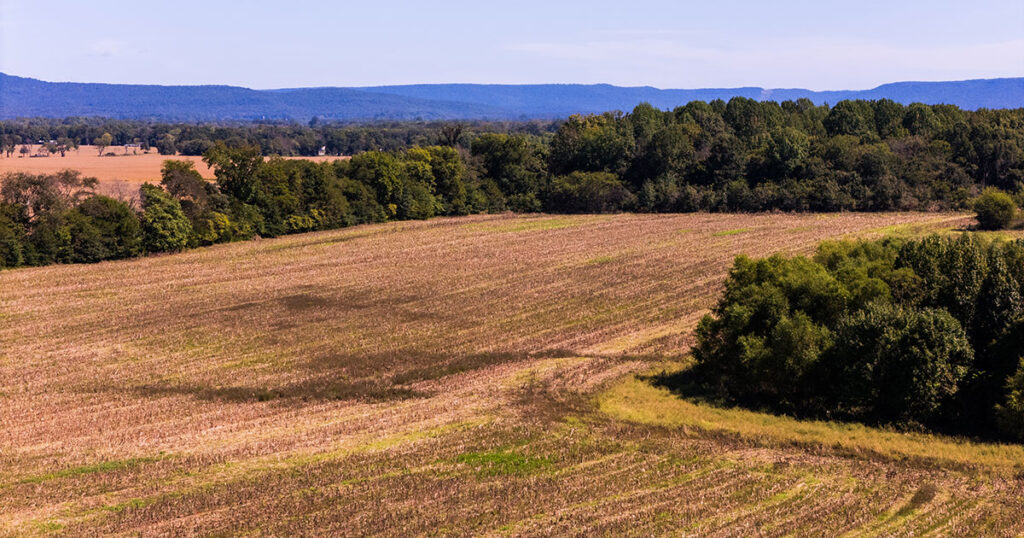
Land is entering 2026 in a more balanced, disciplined market than the one many buyers remember from the height of the pandemic era. The “buy anything and watch it rise” dynamic has largely gone away. In its place is a market that rewards strong fundamentals: clear access, credible utility and water considerations, documented boundaries, and realistic paths to use or improvement. Land properties that check those boxes continue to attract demand, while parcels with unresolved issues are more likely to sit or require meaningful price concessions.
Below are the core trends your sources highlight – and what they suggest about buying land in January 2026.
1) A normalized market with targeted – not universal – growth
The 2026 outlook emphasizes a more stable environment after the post-pandemic adjustment, with expectations centered on resilience and select opportunities rather than broad, rapid appreciation. The market is increasingly divided: high-quality land properties in desirable areas are positioned to perform better, while land with unclear access, limited usability, or documentation gaps may face slower demand.
Returns are less likely to come from market momentum alone. In 2026, outcomes depend more on the underlying quality of the asset and the buyer’s execution (due diligence, entitlement strategy, improvements, or a clear use plan). This means that execution and downside protection matter more than timing.
2) Continued strength in recreational land, driven by lifestyle demand
Recreational land remains an active segment, supported by buyers who prioritize privacy, outdoor access, and long-term personal utility. Features like water, year-round access, and existing improvements tend to differentiate properties and sustain demand.
Importantly, recreational buyers are also becoming more analytical – evaluating factors such as access rights, habitat quality, and ongoing stewardship costs, rather than purchasing based on aesthetics alone.
“Turnkey” usability and documentation are increasingly valued. Land that is easy to understand and easy to use tends to trade more efficiently. For buyers, the key is separating true constraints (access, wetlands, zoning limits, utility capacity) from solvable items and pricing time-to-entitlement and carrying costs explicitly.
3) Risk and due diligence are central themes in 2026
Land investors in 2026 are operating in an environment where regulatory change, environmental hazards, and market volatility remain material considerations. Let’s emphasize that diligence and risk management are essential to protecting value.
Environmental exposure (such as flood or wildfire risk), zoning constraints, and title/access issues are not secondary details – they are pricing factors. Thorough underwriting can be the difference between a strong long-term asset and a difficult, illiquid holding. This holds true as a reminder for buyers that when you are looking to invest in land, you have to look further than just face value. You need to make sure you understand all the underlying factors.
4) Multi-use “optionality” is increasingly valuable
Multi-use land as a segment with strong potential – parcels that can support a mix of recreational, agricultural, residential, or conservation uses will be continuously more valuable. In a selective market, flexibility matters. Land that can perform in more than one scenario tends to attract a broader buyer pool and offer more exit options.
When possible, prioritize land properties with multiple paths to value, whether that’s dual-use income potential, entitlement options, or flexible zoning.
5) A more constructive capital backdrop, without removing selectivity
The 2026 outlook describes a more optimistic environment for real estate investment, reflecting improving confidence and a more constructive capital backdrop relative to the prior period. While this perspective is broader than land alone, the implication for land buyers is important: when expectations around rates and liquidity stabilize, transaction activity often improves.
A healthier economic backdrop may bring more buyers off the sidelines, but it doesn’t change the basics: you still need to buy the right property. Land loans can be tricky, and quality land properties are always the easiest to sell.
When it comes to 2026 land property trends, buyers are looking for something more stable, knowing that they might not get their return on investment just based on the timeline. They are looking for something that is versatile, doesn’t have a high risk associated with it, and offers many opportunities for growth. So, if you align with the above values, then it is the right time for you to purchase land.